
Knowledge Valorisation and Exploitation Planning: Turning HE Research Into Real-World Impact
26/11/2026

About
Excellent research is only half the challenge, turning it into real-world outcomes is where many Horizon Europe projects fall short. The Commission's own interim evaluation found that only around a third of patented inventions registered by European universities and research institutions ever reach the market. The ERA Policy Agenda 2025 –2027 has responded by making knowledge valorisation a structural policy priority, with a commitment to scaling capacity across Europe.
That pressure starts at proposal stage, not after the project ends. The Impact criterion is where proposals most often lose marks, with evaluators repeatedly flagging the same issue: applicants confusing project results with project impact, and covering too few impact dimensions. From 2026, the Impact section of the application form has been streamlined, a deliberate shift in how evaluators are expected to read and assess impact pathways.
This session cuts through the complexity of exploitation planning, from writing a credible impact narrative at proposal stage to building a practical valorisation roadmap that holds up through the project lifecycle and beyond.
Key takeaways
That pressure starts at proposal stage, not after the project ends. The Impact criterion is where proposals most often lose marks, with evaluators repeatedly flagging the same issue: applicants confusing project results with project impact, and covering too few impact dimensions. From 2026, the Impact section of the application form has been streamlined, a deliberate shift in how evaluators are expected to read and assess impact pathways.
This session cuts through the complexity of exploitation planning, from writing a credible impact narrative at proposal stage to building a practical valorisation roadmap that holds up through the project lifecycle and beyond.
Key takeaways
- What knowledge valorisation and exploitation actually mean in a Horizon Europe context, and why they are distinct from dissemination and communication
- How to identify Key Exploitable Results (KERs) and build a credible impact pathway from research output to real-world uptake
- What has changed in the 2026 Impact section template and how to structure your exploitation plan to meet revised evaluator expectations
- How to avoid the most common impact section mistakes, including generic claims, outputs mistaken for impacts, and exploitation plans that assume results will find their own users
- Intellectual property considerations: how to balance open science obligations with IP protection and commercialisation plans
- How to embed exploitation planning into your project's work packages, milestones, and deliverables so that valorisation is built in, not bolted on at the end
Who should attend
- Researchers and project coordinators preparing Horizon Europe proposals for the 2026–2027 work programme who want to strengthen their impact and exploitation sections
- R&I support staff advising on proposal development
- Project managers in funded projects looking to develop or refine exploitation and dissemination plans mid-project
- Teams whose projects are likely to generate commercially exploitable results, technology outputs, or policy-relevant findings
If you have any questions regarding this event, please contact us at events@crowdhelix.com
Date & Time
26 November, 2026 at 10 AM GMT
Register Today
Speakers
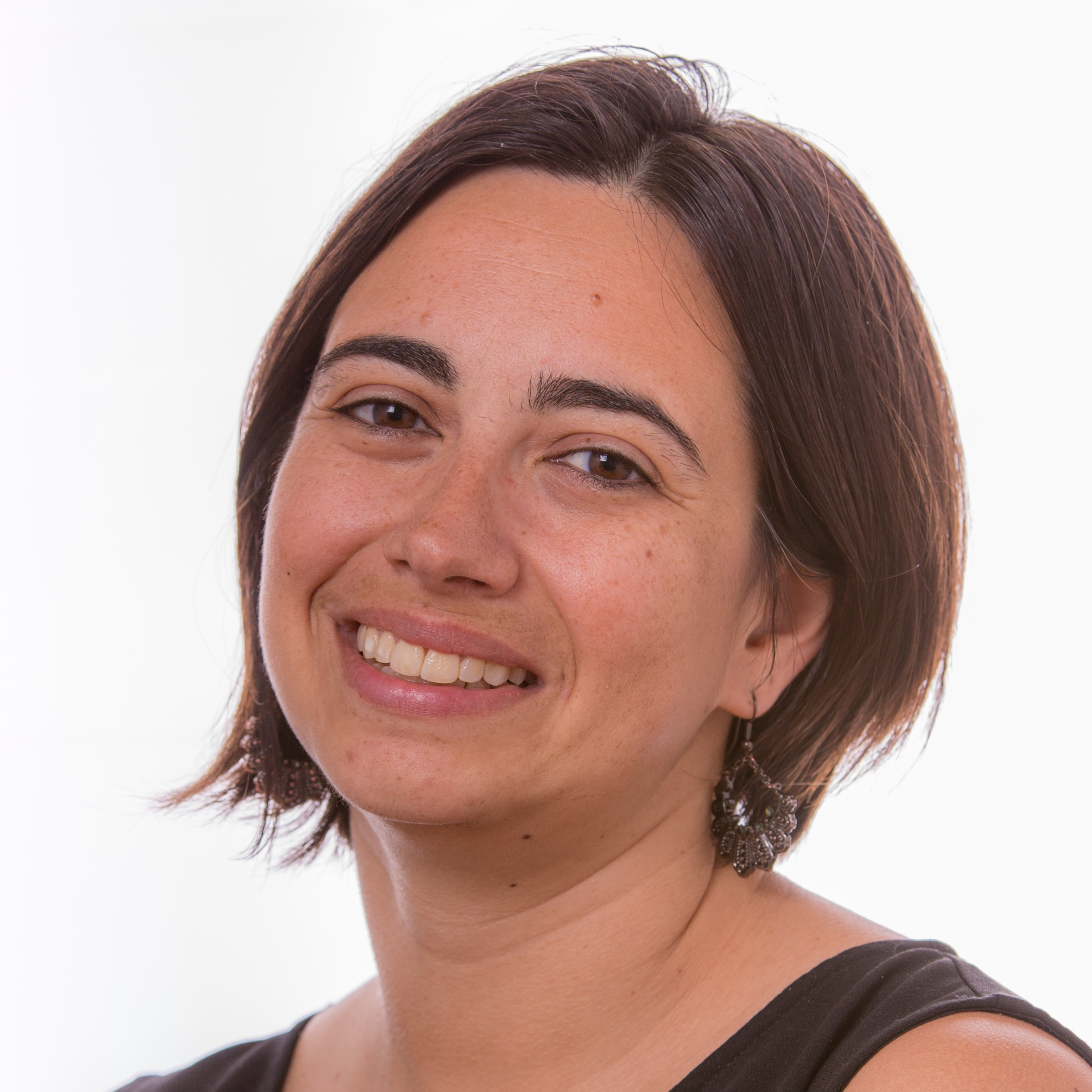
Tatiana Costa
Director of Innovation, IP and Funding @ Alma Science
As the Head of Innovation, Intellectual Property, and Funding at AlmaScience CoLAB, Tatiana leads dedicated to IP, pre-award and post-award processes, including the Project Management Office (PMO). She holds a PhD in Biochemistry (University of Aveiro, UA), a Postgraduate Degree in Industrial Property Law (University of Lisbon), and an Open Executive Education certificate in Project Management (Porto Business School) and a WIPO certification in IP, Technology Transfer and Licensing. She has worked at the science-policy-business interface for more than 14 years.
From 2014 to 2020, she served as a Science and Technology Manager at the Research Support Office of the University of Aveiro, where she was involved in pre-award activities (ERC, MSCA, H2020), post-award management (coordinated projects, MSCA, FET), internationalisation initiatives (ECIU Consortium), and strategic funding applications for the university.
Between 2011 and 2014, she was part of the University of Aveiro’s Technology Transfer Office (UATEC), working in intellectual property, knowledge and technology transfer, and university-industry collaboration.
Tatiana has participated as a team member in several national and international projects, undertaking responsibilities in project management, intellectual property and innovation management, and activities related to impact creation and knowledge transfer.
Tatiana also collaborates with the European Commission and the Technologická Agentura České Republiky (TA CR) as an independent expert evaluator of funding proposals. She is also actively involved with the European Association of Research Managers and Administrators (EARMA), where she served as Chair of the Awards Committee, was a member of the Professional Development and Recognition Committee, and contributed to the task force responsible for creating and implementing a mentoring scheme for research management professionals.
Tatiana is involved in the certification and training of Research Managers, acting as an assessor in programmes delivered by both EARMA and its UK counterpart, the Association of Research Managers and Administrators (ARMA), as well as in training activities related to Intellectual Property.
