Closing Europe's Hidden Hunger Gap
28/01/2027

About
Hidden hunger, a lack of essential vitamins and minerals, remains a persistent and underestimated challenge across Europe. In this webinar, researchers from the Horizon Europe-funded Zero Hidden Hunger EU project share updates from their research, stakeholder engagement and communication work. The first presentation covers new qualitative research with food assistance beneficiaries, refugees and asylum seekers in Poland and Italy. It looks at the challenges they face in accessing and eating micronutrient-rich foods, and what this means for policy.
The second presentation shows how insights from stakeholder interviews have shaped tailored educational and training materials for people working with groups at risk of micronutrient deficiency.
The second presentation shows how insights from stakeholder interviews have shaped tailored educational and training materials for people working with groups at risk of micronutrient deficiency.
The third presentation introduces the project’s policy review, examining how European countries and the EU are responding to micronutrient deficiences. It explores existing policy approaches, particularly on food fortification, as well as the complementary roles of nutrition labelling and social policies related to food inescurity. While a range of policy tools already exist, the review also points to a fragmented policy landscape, uneven implementation and monitoring, and limited coordination across governance levels.
The evidence is clear and the policy tools already exist: fortification, education and equitable social support. What’s missing is the will to act coherently and collectively. Attendees will leave with a clearer picture of who is most affected by hidden hunger, what stands in their way, and where action is most needed.
The evidence is clear and the policy tools already exist: fortification, education and equitable social support. What’s missing is the will to act coherently and collectively. Attendees will leave with a clearer picture of who is most affected by hidden hunger, what stands in their way, and where action is most needed.
Key takeaways:
- What food assistance beneficiaries, refugees and asylum seekers in Poland and Italy report as barriers to accessing and eating micronutrient-rich foods
- The policy implications of this research for supporting groups at risk of micronutrient deficiency
- How stakeholder insights are being turned into tailored education and training materials for people working with vulnerable groups
- Why hidden hunger remains an underestimated challenge in Europe, with implications for health, productivity and health equity
- How European and national policies address micronutrient deficiencies through food fortification, nutrition labelling and social policies addressing food insecurity, and how it could be further improved
Who should attend:
- Policymakers and public health officials at EU, national and local level
- Food banks, food assistance providers and organisations supporting refugees and asylum seekers
- Social services, health and nutrition professionals working with vulnerable groups
- Researchers and project teams working on nutrition, food security and public health
Questions? Contact us at events@crowdhelix.com.
Date & Time
28 January, 2027 at 3 PM CET (2 PM GMT)
Agenda
Agenda
Welcome & Introduction
Beyond Food Prices: barriers to micronutrient-rich diets among vulnerable consumers
Speaker
Katerina Palascha, Senior Research Manager, EUFIC
From Stakeholder Insight to Practical Tools: developing educational resources on micronutrients
Speaker
Nina McGrath, Content Area Lead, EUFIC
Fortifying Our Approach to Hidden Hunger: Europe's policy landscape on micronutrients
Speaker
Tomas de Jong, Policy Lead - Team Coordinator, EPHA
Trustworthy AI Helix Community
Q&A
Final Comments & Close
Register Today
Speakers
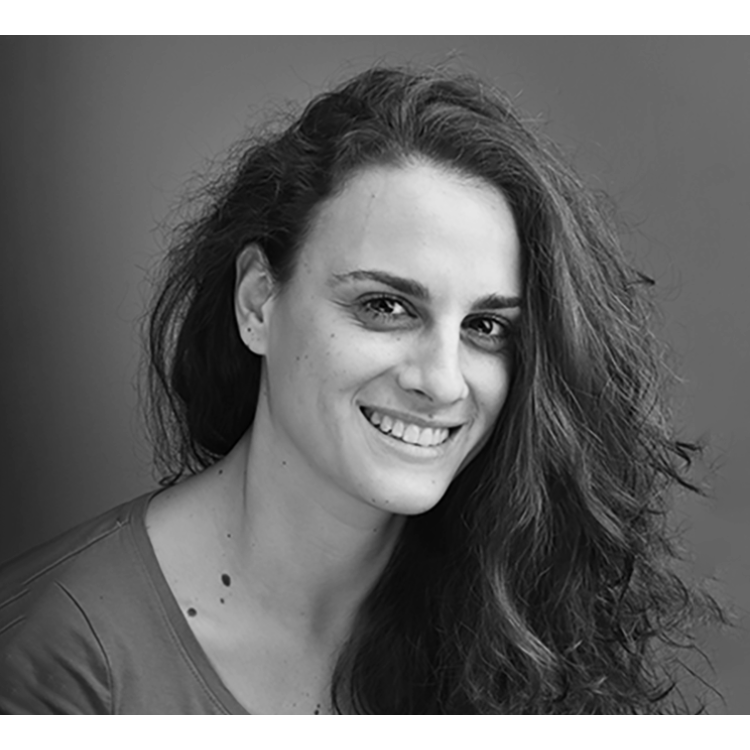
Katerina Palascha
Senior Research Manager @ EUFIC
Katerina has a background in dietetics and nutrition and holds a PhD in marketing and consumer behaviour.
Since 2022, she is a senior research manager at EUFIC, working on various projects related to healthy and sustainable diets, prevention of non-communicable diseases, food and health science literacy, and food waste.
In the ZeroHiddenHunger project, she was responsible for leading a mixed-methods study with beneficiaries of charitable assistance in collaboration with charity organisations in Poland and Italy, the result of which she will present today.

Nina McGrath
Content Area Lead @ EUFIC
Dr Nina McGrath is the Area Lead for Content Production at the European Food Information Council (EUFIC), where she oversees the development of science-based content on food and health for the general public.
With a decade of experience at EUFIC, she specializes in food science communication, translating complex scientific research into accessible and engaging information.
Her work supports EUFIC’s mission to empower and facilitate healthier and more sustainable diets and lifestyles through evidence-based resources and initiatives.
Nina holds a PhD in polymer chemistry from the University of Bristol, bringing a strong scientific background to her role in public engagement and communication.